The History of Dunmore East
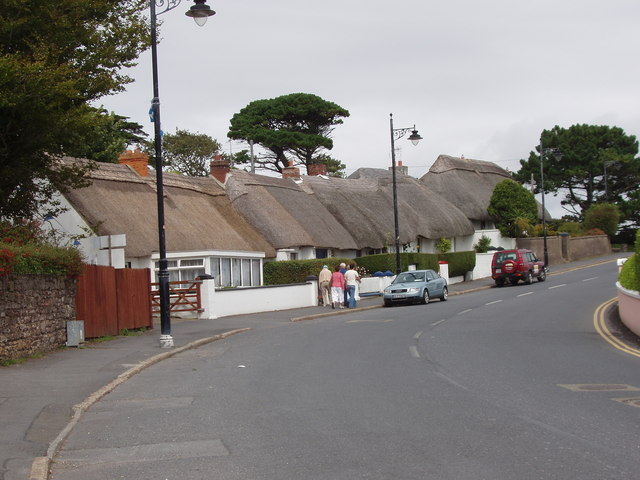
Dunmore East has been a place long before it was a village in the modern sense. The name itself — Dún Mór, 'big fort' — refers to a defensive structure on the headland that pre-dates written records of the place. The village we know today is a layered settlement built on at least two thousand years of use.
The early settlement
The headland above what is now the village was a defensive site in the Iron Age — earthwork ramparts that the name 'Dún Mór' preserves. Vikings used Waterford Harbour as a base from the 9th century onwards, and the harbour mouth at Dunmore East would have been the first sheltered ground they reached coming in from the open sea.
The Norman and medieval era
The Anglo-Norman invasion of 1169-70 landed forces at Bannow Bay, just across Waterford Harbour. From the 12th century onwards the harbour was a key route into the south of Ireland. Dunmore East itself remained a small fishing settlement through the medieval centuries — a few thatched cottages clustered above the natural haven.
The packet-station decade (1820s-1830s)
The single most transformative decade in the village's history. The British Post Office built the harbour as the Irish terminus of the mail boat from Milford Haven in Wales. Alexander Nimmo's harbour, completed around 1824, brought infrastructure, money and a sudden importance to the village. When the service moved to Waterford City proper in 1837, the harbour stayed but the traffic moved on.
The fishing village that followed
From the 1840s onwards Dunmore East was a fishing port. The lifeboat station opened in the 1850s. The 19th and 20th centuries saw the village grow gradually — modest, working, never a resort in the Tramore sense. The thatched cottages painted in their pale colours are mostly 19th-century buildings, lived in and looked after by families who have been there for generations.
The village today
Population around 1,500. A working harbour, a small but steady visitor trade in summer, a lifeboat station, sailing club, and a handful of pubs that hold the village together through the off-season. The Spinnaker Bar, under Peter's new ownership, is part of that thread — a village pub doing food for the people who live here and the people who visit. Ring ahead for a table.
Book a table — go straight to Peter
Peter is the new owner of The Spinnaker Bar in Dunmore East. He runs the kitchen and the bar himself, so booking goes direct to him — no app, no fee, no middleman.
Or message Peter on the Spinnaker Facebook page — he checks it daily.
Quick questions
What does 'Dunmore East' mean?
'Dún Mór' is Irish for 'big fort' — referring to the Iron-Age defensive site on the headland. 'East' distinguishes it from other Dunmores across Ireland.
Was Dunmore East a Viking site?
The Vikings were active in Waterford Harbour from the 9th century, and the harbour mouth at Dunmore East would have been on their route. The village itself developed later.
How old is the harbour at Dunmore East?
The current stone harbour was built in the 1820s as a mail-packet station. Earlier informal landings used the natural shelter of the headland for centuries before that.